How Many NFL Teams Have Blue in Their Logo—and Which Ones?
Find the exact count of NFL teams using blue in their logos, plus which teams they are and why blue appears so often in sports branding.
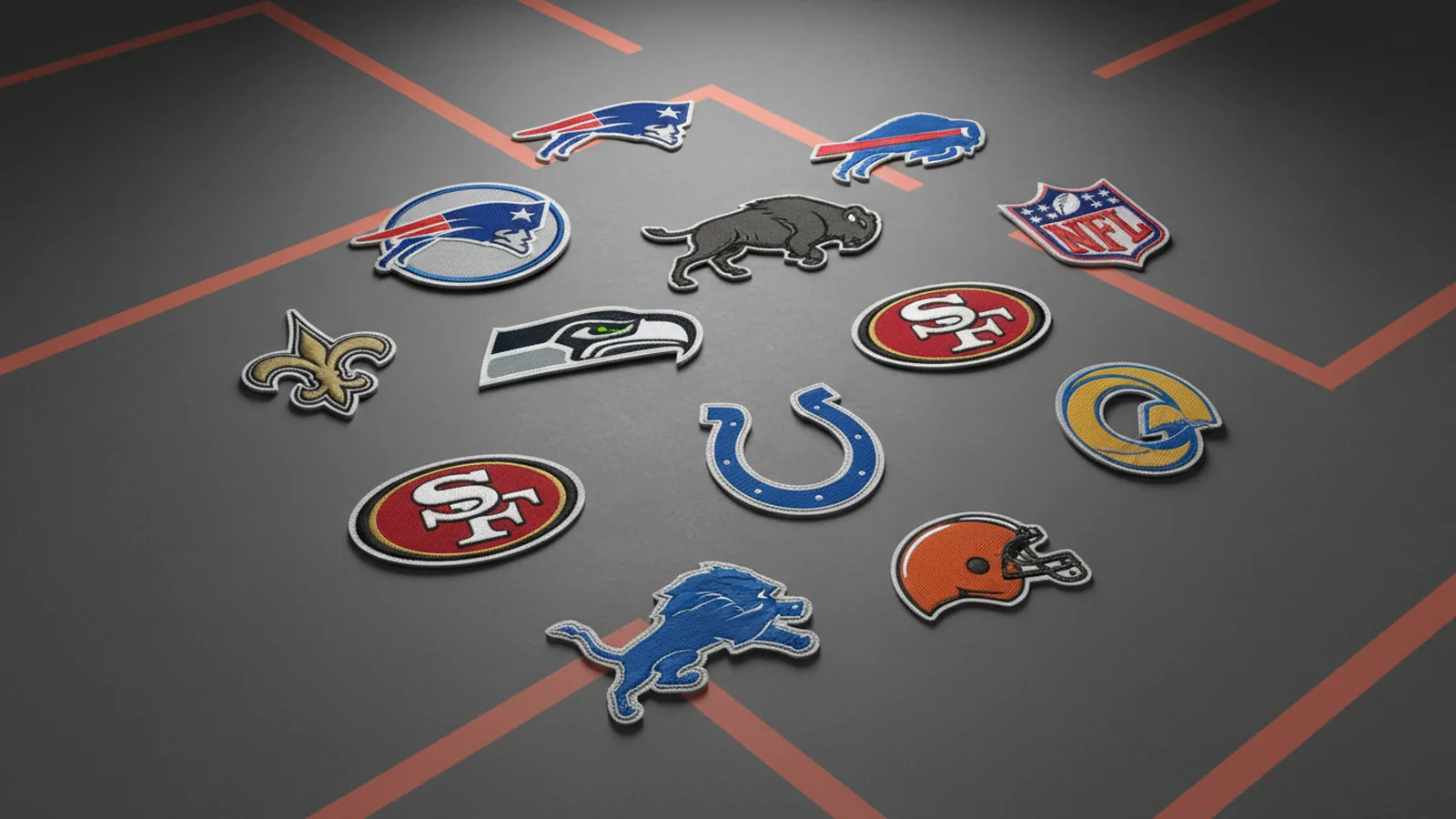
Overview of NFL team logos
NFL team logos are some of the most recognizable brand marks in American sports. Most teams build their identity around a few core colors and a small set of visual motifs - shields, stripes, stars, helmets, and interlocking letters. Because the league’s uniform and merchandising ecosystems are tightly linked, the team’s logo color choices tend to stay consistent for long stretches, even if a logo is modernized.
For your question - how many nfl teams have blue in their logo - the best practical approach is to look at each franchise’s current primary logo/crest and check whether a blue shade appears as a meaningful part of the mark (not just a tiny outline or a one-off accent). Below, the focus is on NFL teams with blue as an intentional, visible element of the official logo design used in common brand materials.
Important note: teams sometimes debut alternate logos (throwbacks, color rush styles, or special editions). This article answers the core question about the standard team logo currently used for mainstream branding, not every minor alternate.
List of NFL teams with blue in their logos
Here are the NFL franchises that feature blue in their team logo. In total, there are 18 NFL teams with blue logos (blue appears as a primary or clearly visible secondary color in the franchise’s logo design).
For each team below, the description focuses on what blue is doing visually - background shapes, stripes, wordmark color, or emblem details - so you can quickly verify the presence of blue in the mark.
- Arizona Cardinals - Blue accents show up in elements like the bird/primary emblem details and surrounding styling.
- Atlanta Falcons - Blue appears in the wordmark/primary graphic styling as part of the team’s palette.
- Baltimore Ravens - Blue is used in the logo’s distinctive bird/crest elements, supporting the “midnight” identity.
- Buffalo Bills - Blue is a core part of the logo composition, especially in the charging-bill graphic.
- Carolina Panthers - Blue appears in the secondary visual components of the panther/emblem styling.
- Chicago Bears - Blue is present as an accent color within the overall logo design.
- Cincinnati Bengals - Blue appears as a secondary accent that rounds out the mark’s palette.
- Dallas Cowboys - Blue is visible in the star-and-typography styling that supports the team’s classic identity.
- Detroit Lions - Blue accents show up as part of the logo’s layered design.
- Houston Texans - Blue appears in key emblem details and color blocks in the branding.
- Indianapolis Colts - Blue is prominent in the horseshoe-themed logo design.
- Jacksonville Jaguars - Blue appears in parts of the emblem and stripe/outline styling.
- Los Angeles Chargers - Blue is dominant in the logo, tying directly into the franchise’s “powder” identity.
- Miami Dolphins - Blue is central, especially in the dolphin graphic and surrounding styling.
- New England Patriots - Blue appears as a core color in the Patriots wordmark and emblem styling.
- New York Giants - Blue is visible in the logo’s color treatment, supporting the overall team palette.
- New York Jets - Blue is a primary color in the Jets branding, including the modern emblem styling.
- Seattle Seahawks - Blue appears as a key secondary color within the emblem and visual blocks.
Those 18 franchises make up the current set of nfl blue logo teams. If you want to cross-check, search each team name plus “logo” and verify that blue appears consistently in the primary crest or wordmark - not only in uniforms, because some teams change uniform color accents while keeping the logo palette stable.
Why blue shows up so often: significance and psychology
Blue is one of the most common sports branding colors because it reliably communicates trust, stability, and competence. In color psychology, blue is often associated with calm focus and “cool-headed” performance - an emotional cue that fits the structure and strategy of football. For fans, blue can also signal tradition and continuity, especially when a franchise has used blue for decades.
From a team identity perspective, blue is flexible. It pairs well with high-contrast trims like white and silver for clarity on helmets and jerseys, and it also works with darker “navy” variations that look premium and intimidating on the field. That flexibility helps explain why blue appears across many NFL logo history eras, even as franchises refine typography or reshape crests.
There’s also a practical branding reason: blue inks and dyes reproduce cleanly in merchandising. A consistent “blue family” across logos, apparel, and stadium signage reduces confusion for fans and streamlines licensed product production. When teams modernize a logo, they usually keep their core palette intact unless a full rebrand is happening.
Comparison with other colors in NFL logos (red, orange, green, and more)
To understand blue’s role, it helps to compare it with other prominent colors used in NFL logos. Red is especially dominant in the league because it reads as high energy and urgency - think of how red performs visually on dark jerseys and how it stands out in typography. Orange is rarer but often signals bold, regional identity and can be used to create a distinct “brand pop” that differentiates a franchise quickly in broadcast graphics.
In terms of the league’s overall visual ecosystem, blue and red frequently “compete” for the top spot in brand recognition. Blue tends to feel more stable and trustworthy, while red tends to feel more aggressive and energetic. Teams that incorporate both can get the benefits of each - blue for cohesion and base trust, red for emotional punch.
Other colors show up too. Green is often tied to freshness and resilience, while yellow can function as a highlight color that improves visibility on signage and in small-screen applications. Black and gray are also common as grounding neutrals that make the primary colors look sharper and more premium.
| Color | Typical brand feeling | How it behaves in logos |
|---|---|---|
| Blue | Trust, stability, focus | Often used as a base or secondary color; pairs well with white/silver |
| Red | Energy, urgency, intensity | Often used for outlines, wordmarks, or accents that demand attention |
| Orange | Boldness, differentiation | Works as a “signature” accent that pops in broadcast graphics |
| Green | Resilience, growth | Common in identity palettes for balance against darker neutrals |
| Yellow | Optimism, visibility | Frequently used as a highlight to improve readability |
Even if you’ve heard that there are certain teams with specific motifs (like what nfl teams have stars in their logo), color and motif typically work together. Blue teams often pair blue with stable silhouettes (anchors like horseshoes, birds, or geometric blocks), while red/orange-heavy logos often lean into more aggressive shapes or high-contrast outlines to intensify visual impact.
Trends and changes in NFL logo color choices over recent years
NFL logo history shows that most teams are conservative with color. Even when a redesign modernizes a crest’s shape or typography, the palette usually stays consistent because the logo must work across helmets, jerseys, merchandise, and broadcast overlays. That said, subtle shifts happen: a “powder” blue can become slightly more saturated, navy can deepen, or outlines may be simplified to improve legibility on TV.
In the last decade, a noticeable trend has been to refine contrast and reduce visual clutter. Some teams replace complex shading with flatter color blocks, which often makes blue read more clearly on dark or neutral uniforms. Another trend is the move toward more standardized brand kits - logos designed to scale well from small icon sizes to large stadium signage.
It’s also common for franchises to adjust color proportions rather than remove colors altogether. For example, blue may become more prominent as a background field while an emblem detail shifts from a warmer accent to a cooler trim. These changes don’t usually alter the fundamental question of whether a team has blue in its logo; they mainly improve how that blue is applied.
Finally, teams sometimes use temporary colorways for special events, but those are usually separate from the “official” logo. So when you evaluate how many nfl teams have blue in their logo, focus on the core logo used for year-round branding, not throwbacks or limited-time alternates.
Conclusion
Direct answer: 18 NFL teams have blue in their logo, making blue one of the most common logo colors in the league. The nfl blue logo teams list above covers the franchises where blue is a clearly visible, intentional part of the current primary logo design.
More broadly, the significance of blue in NFL logos comes down to sports branding realities. Blue supports team identity by signaling trust and focus (color psychology), it’s practical for high-contrast production across apparel, and it scales well for modern broadcast and digital uses. Meanwhile, comparisons with red, orange, green, and yellow show that each color brings different emotional cues, but blue is especially effective as a stable “base” shade.
If you’re doing deeper logo research - such as grouping teams by star motifs, football motifs, or other iconography - start with color as the organizing principle, then layer in the visual elements. That approach tends to be faster and more reliable than trying to classify logos by first impression alone.
FAQ
- How many NFL teams have blue in their logo?
- There are 18 NFL teams with blue in their logo when you evaluate each franchise’s primary current crest/wordmark used for mainstream branding.
- Which NFL teams have blue logos?
- The teams are listed in the article section “List of NFL teams with blue in their logos,” with a brief description of where blue appears in each logo.
- Is blue a primary color for NFL teams or just an accent?
- For the purposes of this count, blue is a clearly visible, intentional element—either a base color or an important secondary component—rather than a tiny incidental mark.
- What does the color blue mean in NFL logos?
- In color psychology, blue is commonly linked to trust and stability. In sports branding, that translates well to a team identity built around composure and reliable performance.
- How does blue compare to red or orange in NFL logo design?
- Blue usually reads as stable and focused, while red and orange tend to signal energy and urgency. Many teams balance blue’s steadiness with warmer accent colors to create a stronger emotional impact.
- Have NFL logo color choices changed recently?
- Most franchises keep the core palette, but recent redesigns often adjust contrast and color proportions for legibility. Blue typically becomes cleaner and more uniform rather than disappearing entirely.